case study
Hoshicha
What follows is the work.
01 - INTENT
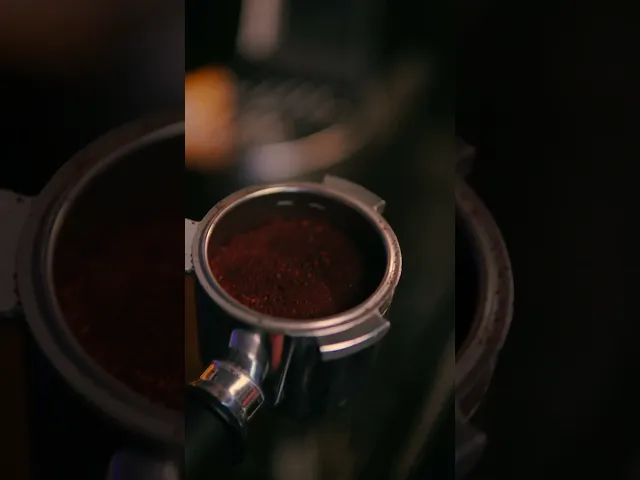
This project began as a application for Hoshicha. During the process, I found myself drawn to ideas rooted in Japanese aesthetics yohaku no bi (the beauty of empty space), shibui (quiet, understated beauty), and ku (emptiness as possibility). Rather than referencing these concepts superficially, I chose to rebuild the shoot from the ground up, allowing them to influence composition, pacing, light, and restraint. The objective shifted from documenting coffee to exploring how attention changes when nothing in the frame is competing for it.
July 2026
Photography · Motion · Creative Direction
Restraint in Visual Storytelling

02 - RESTRAINT
One word appeared repeatedly throughout Hosshicha’s application: restraint. During the reshoot, I treated it less as a rule and more as a discipline. Every frame became a question of what could be removed rather than what could be added. Composition, light, and pacing were simplified until only the essential remained, allowing the work to feel quieter without becoming empty.


03 - PROCESS
The shoot evolved into something slower, more observational. Instead of constructing images around a shot list that I created beforehand, I shot reactively to the light, the objects, and the space around them. Small changes in placement, timing and framing ended up being more important than adding another object into frame. It was less about adding and more about subtracting.

04 - RESULT
Rebuilding this project changed more than the final images. It changed the questions I ask before pressing the shutter. Rather than searching for ways to make a frame more interesting, I now look for opportunities to make it more intentional. That shift will continue to shape how I approach every story that follows.
